
- Choosing a selection results in a full page refresh.

Available 24/7 at
+917568777778

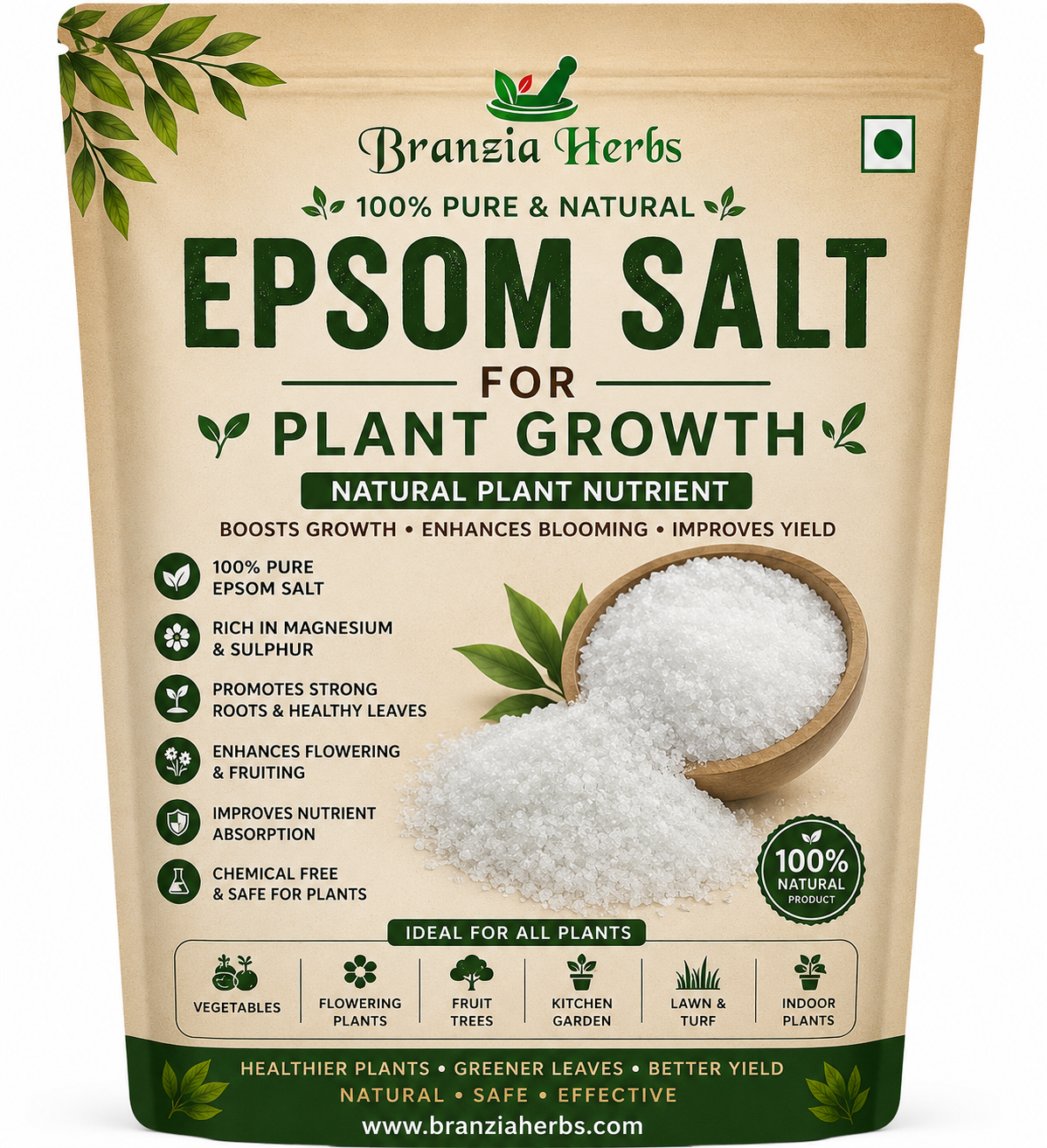
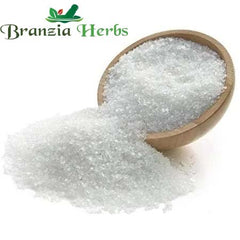
| Epsom salt, also known as Magnesium Sulfate. Nourish Your Garden with our Epsom Salt. Unlock the Power of Magnesium and Sulfur. Instructions for Use: Soil amendment: Before planting, you can mix Epsom salt into the soil to improve magnesium levels. For outdoor garden plants, take 1-2 teaspoons of Epsom salt & sprinkle around the plant, mix the soil a little and then water. Drenching : Epsom salt can enhance the effectiveness of fertilizers by improving nutrient uptake. Dissolve 2-3 teaspoons of Epsom salt in 1 litre of water and use it to water your plants. Apply this solution every two to four weeks during the growing season. Foliar spray: You can also apply Epsom salt as a foliar spray to provide magnesium directly to the leaves. Dissolve 2-3 teaspoons of Epsom salt in 1 litre of water and spray it on the foliage of your plants. Avoid spraying during hot, sunny periods to prevent leaf burn. Benefits: Epsom salt contains magnesium, which is an essential nutrient for plants. Magnesium is involved in chlorophyll production, aiding in photosynthesis and overall plant growth. By applying Epsom salt, you can provide plants with an additional source of magnesium, which can lead to healthier foliage, greener leaves, and improved growth. Adequate magnesium levels can promote the formation of flowers and fruits in plants. By using Epsom salt, you can provide plants with the necessary magnesium, which may result in increased flower production, improved pollination, and higher fruit yields. If a soil test reveals a magnesium deficiency in your garden soil, Epsom salt can be used to address the issue. Applying Epsom salt as directed can help replenish magnesium levels and alleviate nutrient deficiencies, preventing stunted growth and yellowing of leaves. When transplanting seedlings or moving established plants, Epsom salt can be used to reduce transplant shock. Adding Epsom salt to the planting hole or applying it as a root drench can help plants adjust to their new environment and promote root development. Best Before 3 Years from the Manufactured Month Note: This product is intended for gardening purpose only. Keep out of reach of children and pets. Avoid contact with eyes. In case of contact, rinse with water. Store in a cool, dry place. |
Epsom salt, which is magnesium sulfate, plays a vital role in enhancing nutrient absorption for plants. It helps to improve the plant's ability to take in essential nutrients, especially phosphorus and nitrogen. This is important because without adequate magnesium, the plants can struggle to develop, leading to weaker growth. So, using Epsom salt allows plants to utilize fertilizers more efficiently, promoting healthier and more robust plant life.
Another key benefit of Epsom salt for plants is its role in boosting chlorophyll production. Chlorophyll is essential for photosynthesis, which allows plants to convert sunlight into energy. This helps the plants thrive and flourish, leading to greener and more vibrant leaves. Because magnesium is a core component of chlorophyll, adding Epsom salt can significantly improve a plant's overall health and vitality, especially in plants that show signs of deficiency.
Epsom salt also contributes greatly to the development of flowers and fruit. It encourages blooming and promotes the production of sweeter and more plentiful fruit. This is particularly beneficial for flowering plants, vegetables, and fruit-bearing trees. Therefore, gardeners can see a noticeable improvement in yield when Epsom salt is used, enhancing the quality of the harvest. Regular application can help ensure that plants are fully nourished and capable of producing their best possible blooms and fruits.
Epsom salt, known scientifically as magnesium sulfate, is a natural mineral that offers several benefits for plant growth. When dissolved in water, it releases magnesium and sulfate, which are vital nutrients for plants. Magnesium plays a crucial role in photosynthesis, allowing plants to convert sunlight into energy. Therefore, incorporating Epsom salt into your gardening routine can enhance the overall health of your plants, making them stronger and more resilient.
One of the significant Epsom salt benefits for plants is its ability to promote nutrient uptake. While many fertilizers provide essential elements, magnesium helps plants absorb these nutrients more effectively. This means that plants treated with Epsom salt can benefit from other fertilizers significantly, as magnesium enhances their ability to utilize nitrogen and phosphorus. Consequently, this leads to better growth and, ultimately, increased yields in your garden.
Moreover, Epsom salt encourages flowering and fruit production in plants. It helps in the development of chlorophyll, which is vital for vibrant leaves and blooming flowers. As a result, when you apply Epsom salt to flowering plants, you may notice an increase in the number and size of blooms. Additionally, for fruit-bearing plants, it contributes to bigger and juicier fruits, making it an excellent addition to your gardening practices.
Get the latest updates on new products and upcoming sales
Thanks for subscribing!
This email has been registered!