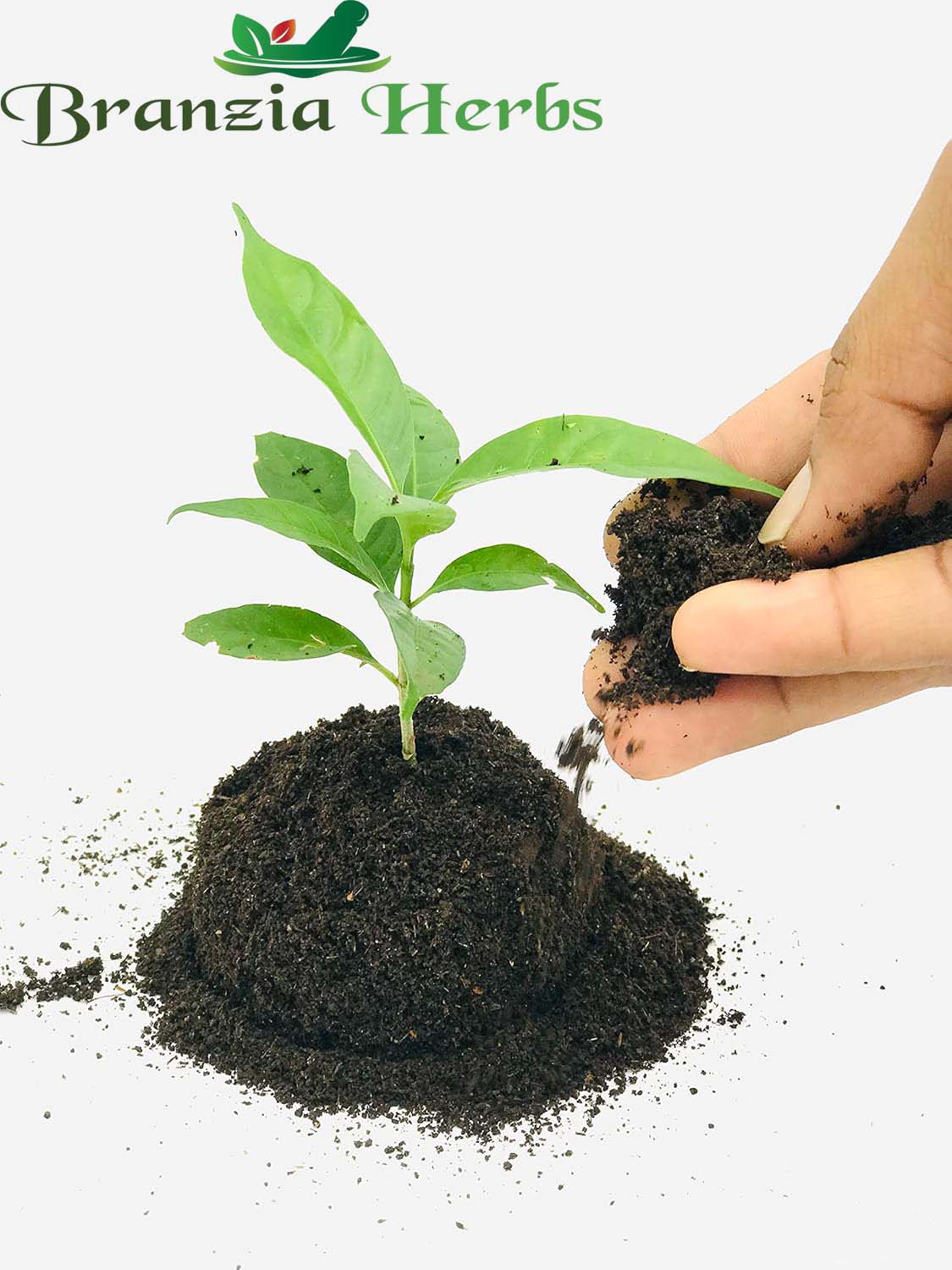
Kasuri Methi (also known as Kasuri Fenugreek or Dried Fenugreek Leaves) refers to fenugreek leaves that have been dried and are commonly used in Indian cuisine for their distinctive flavor. The seeds from which these leaves are harvested are also known for their culinary and medicinal uses. Here’s a detailed guide on Kasuri Methi Seeds, including their characteristics, benefits, and planting care:
Characteristics
-
Appearance:
-
Seeds: Kasuri methi seeds are small, golden-brown, and angular, about 2-4 mm in diameter. They have a slightly bitter taste and a distinctive aroma.
-
Plant: Fenugreek (Trigonella foenum-graecum) is a herbaceous plant with trifoliate leaves and small, yellowish-white flowers. It typically grows to about 30-60 cm (12-24 inches) tall.
-
Plant Size:
-
Height: Typically grows to about 30-60 cm (12-24 inches) tall.
-
Spread: Can spread about 30 cm (12 inches) wide.
Benefits
-
Culinary Uses:
-
Flavoring: Dried fenugreek leaves (Kasuri methi) are used to add a unique, slightly bitter flavor to a variety of dishes, including curries, stews, and flatbreads. They are particularly popular in Indian and Middle Eastern cuisines.
-
Seasoning: Fenugreek seeds can also be used as a spice in cooking, lending a slightly nutty and bitter flavor to dishes.
-
Medicinal Uses:
-
Digestive Health: Fenugreek seeds are traditionally used to aid digestion, alleviate symptoms like indigestion and bloating, and stimulate appetite.
-
Blood Sugar Management: Fenugreek seeds are known for their potential to help regulate blood sugar levels and improve insulin sensitivity.
-
Anti-inflammatory: The seeds contain compounds with anti-inflammatory properties that may support overall health and reduce inflammation.
-
Cosmetic Uses:
-
Skin Care: Fenugreek seeds are sometimes used in skincare for their moisturizing and soothing properties. Fenugreek paste or oil can be applied to the skin to help with dryness and irritation.
Planting Kasuri Methi Seeds
-
Preparation:
-
Seed Treatment: Fenugreek seeds do not typically require special treatment but soaking them in water for 6-8 hours before planting can improve germination rates.
-
Timing:
-
Optimal Season: Plant fenugreek seeds in spring or early summer after the last frost when soil temperatures are consistently above 15°C (60°F). In warmer climates, it can also be grown in the fall.
-
Soil and Location:
-
Soil Type: Prefers well-drained, loamy or sandy soil with a slightly acidic to neutral pH. Enriching the soil with compost can improve growth.
-
Location: Choose a sunny location with full sun to partial shade. Fenugreek thrives in warm climates and requires plenty of sunlight.
-
Planting:
-
Sowing Seeds: Sow seeds about 1/2 inch (1.2 cm) deep in the soil. Space seeds about 15-20 cm (6-8 inches) apart. In rows, space rows about 30 cm (12 inches) apart.
-
Germination: Seeds typically germinate within 7-14 days. Keep the soil consistently moist but not waterlogged during this period.
-
Watering:
-
Initial Care: Water the soil thoroughly after planting and maintain consistent moisture until seedlings are established.
-
Ongoing Care: Water regularly but avoid overwatering. Fenugreek prefers moderately dry conditions once established.
-
Fertilizing:
-
Nutrients: Fenugreek requires minimal fertilization. Apply a balanced fertilizer or compost at planting time and as needed throughout the growing season.
Care and Maintenance
-
Pruning:
-
Trimming: Fenugreek does not generally require pruning. However, you can trim plants to prevent them from becoming too leggy and to encourage bushier growth.
-
Pest and Disease Management:
-
Monitoring: Fenugreek is relatively pest-resistant but can be affected by common pests such as aphids and diseases like powdery mildew.
-
Control: Use organic pest control methods if needed and ensure good garden hygiene to prevent disease.
-
Harvesting:
-
Timing: Harvest leaves when they are young and tender for use in cooking. For Kasuri methi, allow the leaves to dry completely before storing.
-
Method: Cut entire plants or individual stems, and let them dry in a well-ventilated, shaded area. Once dried, remove the leaves from the stems and store them in an airtight container.
-
Protection:
-
Winter Care: In colder climates, fenugreek is typically grown as an annual and does not need winter protection. In warmer climates, it may be grown year-round.
Environmental Considerations
-
Climate Adaptation: Fenugreek is well-suited to temperate and tropical climates. It thrives in warm, sunny conditions but can tolerate a range of environments.
-
Sustainability: Ensure planting practices are sustainable and adhere to local regulations regarding agriculture and conservation.
Summary
Kasuri Methi Seeds provide an excellent opportunity to grow fenugreek, both for culinary and medicinal uses. By following proper planting and care guidelines, you can successfully cultivate fenugreek and enjoy its unique flavor and health benefits. Fenugreek thrives in well-drained, sunny conditions and requires minimal water and fertilization. Its versatility makes it a valuable herb in the kitchen, garden, and medicine cabinet.
Rich Flavor for Your Dishes
Kasuri Methi seeds, also known as dried fenugreek leaves, offer a unique and aromatic flavor that can enhance various dishes. When used in cooking, they provide a slightly bitter yet nutty taste that pairs well with both vegetarian and meat-based recipes. Many chefs and home cooks enjoy incorporating these seeds into their spice blends because they elevate the overall culinary experience. So, whether you are making curries or flatbreads, adding Kasuri Methi seeds will surely make your dishes stand out.
Health Benefits of Kasuri Methi Seeds
These seeds are not just about flavor; they also pack numerous health benefits. Kasuri Methi seeds are known for their digestive properties and are often used to promote metabolism. Moreover, they contain essential vitamins and minerals that can support overall health. Because of their high fiber content, using these seeds can also help regulate blood sugar levels. Therefore, adding Kasuri Methi to your meals not only enhances taste but also supports your well-being.
Easy to Grow in Your Garden
If you enjoy gardening, growing your own Kasuri Methi seeds can be an exciting venture. These seeds can be easily planted in pots or garden beds, as they thrive in well-drained soil and require minimal care. This makes them an excellent addition for both seasoned gardeners and beginners. Not to mention, having fresh Kasuri Methi at your disposal is incredibly satisfying, and it ensures that you are using high-quality herbs in your cooking. So, why not start your own herb garden today?