


- Choosing a selection results in a full page refresh.

Available 24/7 at
+917568777778

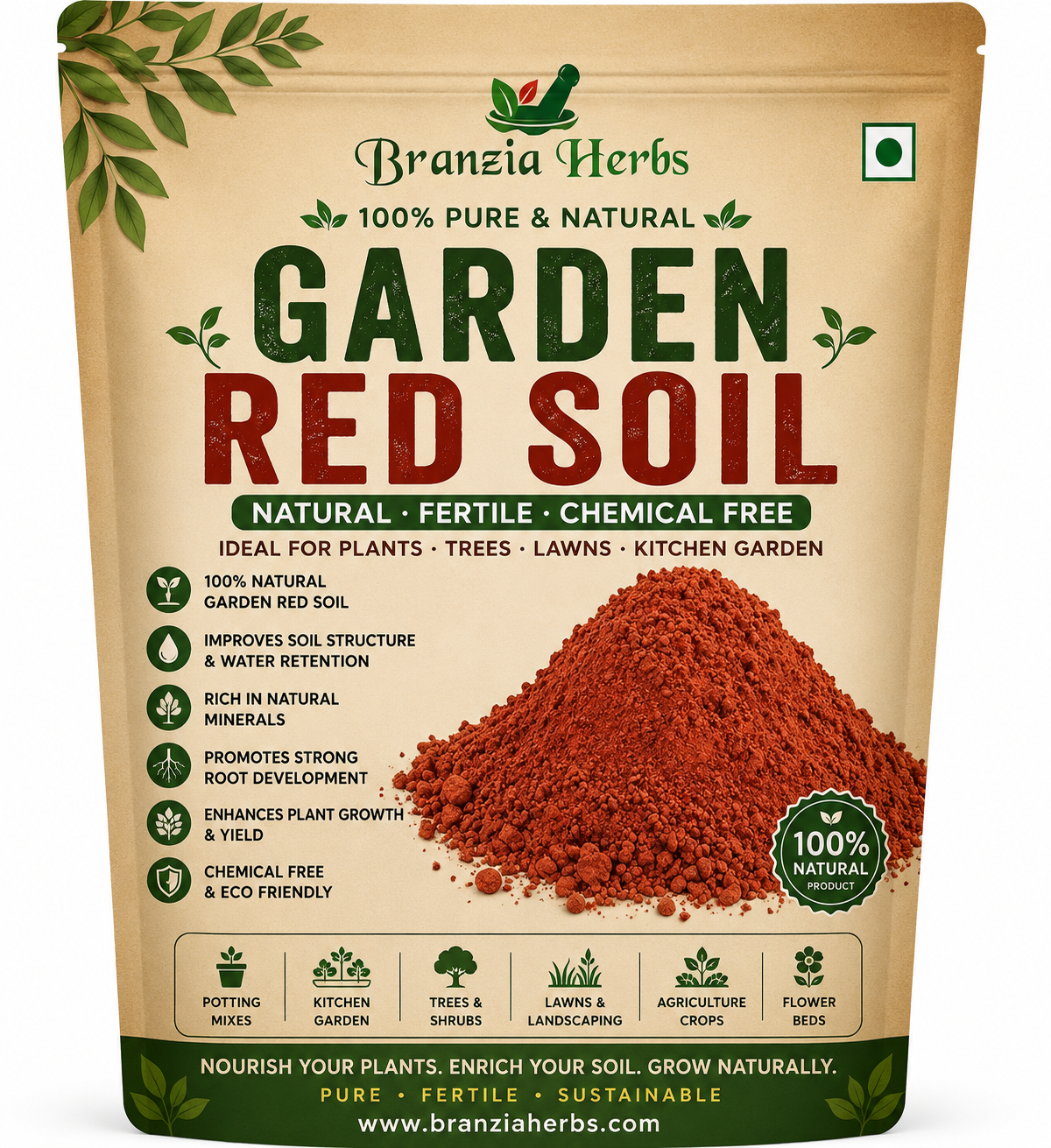
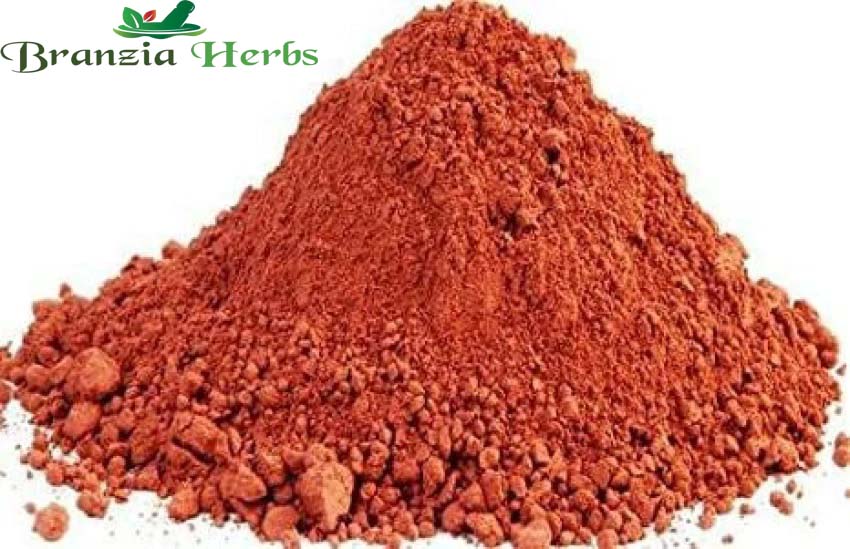
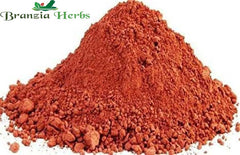
| The lowermost area of red soil is dark in color and very fertile, while the upper layer is sandy and porous. Thus, proper use of fertilizers and irrigation yields high production of cotton, wheat, rice, pulses, millets, tobacco, oil seeds, potatoes, and fruits. |
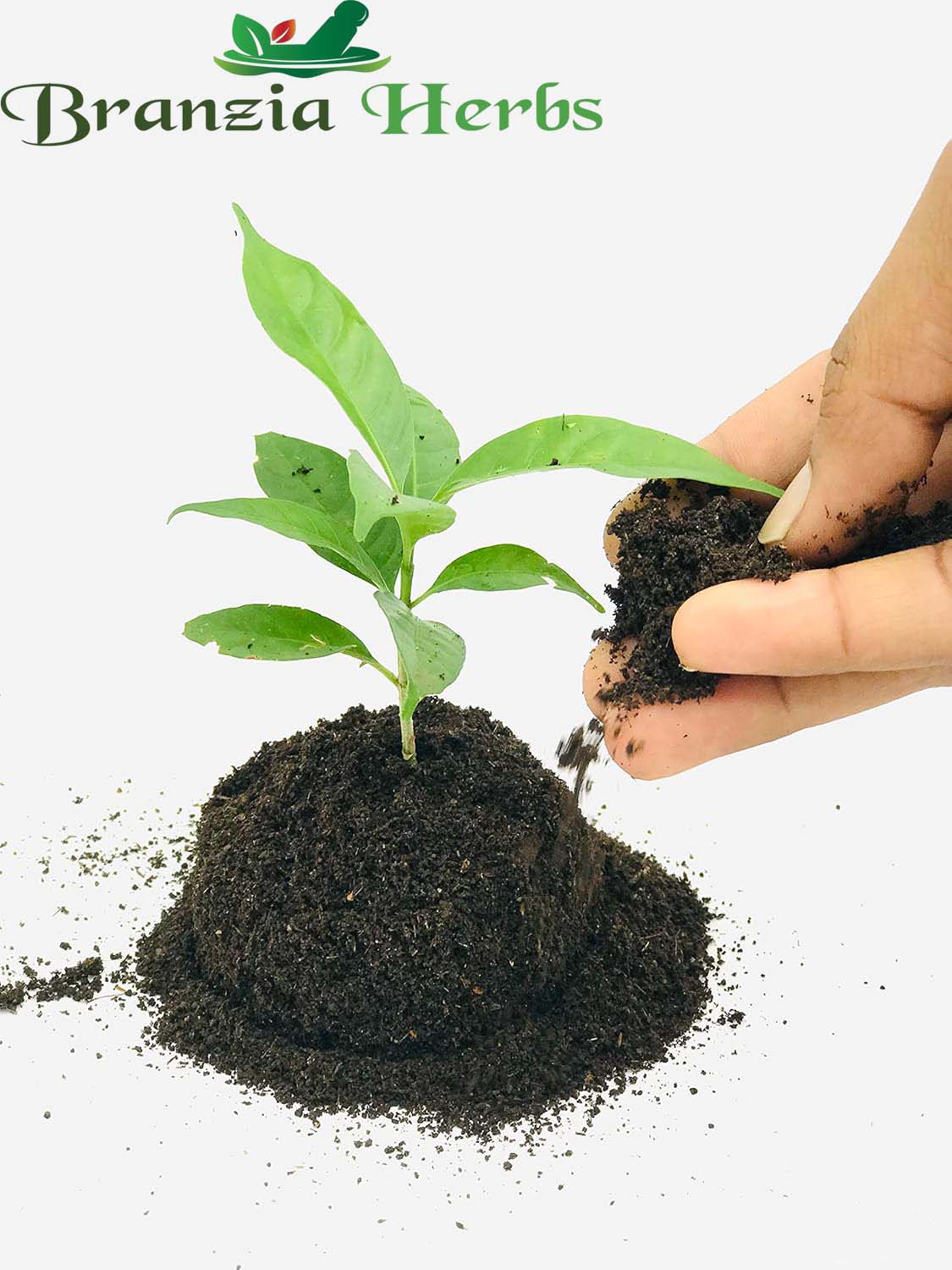
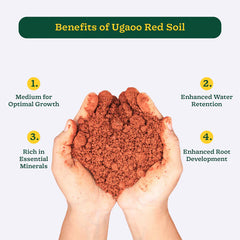
Red soil for gardening is incredibly beneficial due to its rich nutrient composition. It contains essential minerals like iron, which promotes healthy plant growth. This nutrient-rich soil provides a strong foundation for herbs, enabling them to thrive. When you plant in red soil, you're ensuring your plants receive the nutrients they need to flourish, because healthy soil directly translates to healthy plants.
One significant advantage of red soil is its excellent drainage and aeration properties. Unlike heavier soils, red soil allows water to flow freely, preventing root rot and promoting healthy root development. The good aeration ensures that the roots have access to oxygen, which is vital for plant metabolism. This characteristic makes red soil an excellent choice for various gardening needs, especially for delicate herbs.
Red soil typically has an optimal pH level that supports the growth of herbs. Most herbs prefer a slightly acidic to neutral soil pH, and red soil often falls within this range. This means that when you grow herbs in red soil, they can absorb nutrients more efficiently. Additionally, this pH balance helps to prevent diseases and fosters a robust growing environment, making your gardening efforts more successful.
Get the latest updates on new products and upcoming sales
Thanks for subscribing!
This email has been registered!